Introduction to Baby Swimming
Baby swimming, an activity that has gained significant traction among parents in recent years, is not merely a fun pastime but also an essential experience that can greatly contribute to an infant’s growth and development. The increasing recognition of the importance of early exposure to aquatic environments emphasizes the shift towards fostering water-related skills from a young age. Parents often enroll their infants in swimming classes to introduce them to water safety, buoyancy, and motor skills in a safe and supervised setting.
The practice offers numerous benefits, both physical and psychological, laying a foundation for healthy development. Physically, swimming promotes muscle strength, coordination, and balance as babies navigate the water, allowing for enhanced movement skills. The resistance of water challenges infants in a different way than land-based activities, stimulating muscle growth and improving cardiovascular health. Furthermore, the aquatic environment often encourages babies to explore movements they may not attempt on land, fostering a sense of curiosity and adventure.
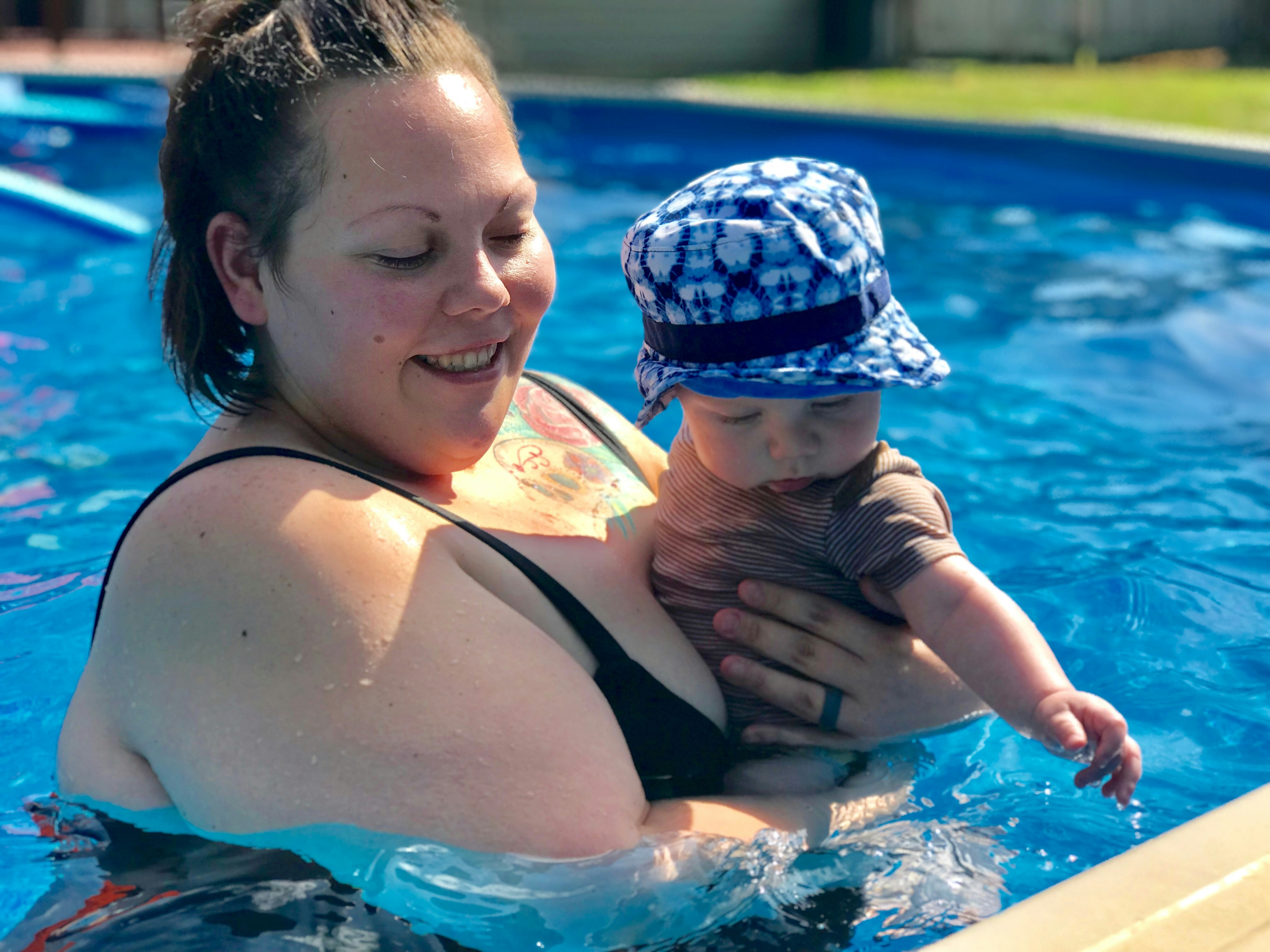
In addition to physical benefits, baby swimming aids in the development of social and emotional skills. Swimming with caregivers or in group settings fosters bonding and enhances communication between parent and child. This unique interaction helps build trust and emotional security. Moreover, early exposure to water can alleviate any fear of swimming that may develop later in life, promoting a positive attitude towards aquatic activities.
Thus, the role of swimming in an infant’s early life cannot be overstated. Not only does it facilitate physical growth, but it also supports the overall emotional and social development of babies. By understanding and appreciating the profound impacts of baby swimming, parents can make informed decisions about their child’s early experiences in the water.
Physical Development Milestones
Swimming is an engaging activity that significantly contributes to the physical development of babies. Water provides a unique environment, enabling infants to explore movements that may be inhibited on land. Through swimming, babies engage their muscles in ways that promote overall strength and coordination. This early exposure to different aquatic movements initiates the strengthening of both major and minor muscle groups.
As babies practice floating, kicking, and reaching in the water, they develop enhanced muscle strength and endurance. These exercises not only assist in building core stability but also improve limb coordination. For instance, as babies paddle and kick their legs, they learn to synchronously move their arms and legs, which fosters essential motor skills beneficial for later developmental stages.
Moreover, swimming encourages flexibility, enabling babies to stretch and reach in a natural manner. This flexibility is crucial for overall physical fitness and is fundamental in preventing injuries as children begin to engage in additional physical activities. The experience of adjusting to buoyancy and the push of water encourages infants to experiment with their body movements, cultivating a sense of balance and coordination that is fundamental to other physical activities.
Regular swimming sessions also lead to improved cardiovascular fitness. As babies engage in swimming, their heart rates increase, promoting better blood circulation and boosting their respiratory systems. This physical activity can pave the way for healthy heart and lung development and sets a strong foundation for lifelong fitness habits.
In summary, swimming is an effective and enjoyable means to promote the physical development of babies. It accelerates muscle strength, enhances coordination, and fosters overall fitness, thus contributing positively to their growth milestones.
Cognitive Benefits of Swimming
Engaging in swimming activities can significantly enhance the cognitive skills of babies, providing a platform for them to explore their mental capabilities. Through regular interaction with water, infants develop important problem-solving abilities as they learn to maneuver in various water settings. This exposure encourages them to think critically about navigation and balance, which fosters their adaptive strategies to overcome potential challenges.
In addition, swimming promotes spatial awareness in young children. As babies float, kick, and glide through water, they gain a unique perspective of their surroundings, which helps them understand the relationship between their movements and the environment. This kinesthetic experience is unparalleled; it encourages the development of motor skills while enhancing their cognitive processing abilities. The water serves as a dynamic medium that helps infants perceive their body positioning and movements relative to the fluid around them.
Furthermore, the sensory aspects of swimming are crucial for a baby’s cognitive development. The sensation of water against the skin, the buoyancy that supports their movements, and the varying temperatures stimulate multiple senses simultaneously. This multi-sensory engagement is essential for brain development, as it encourages neural connections and pathways that pave the way for advanced cognitive functions. As a result, babies who are exposed to swimming from an early age tend to exhibit enhanced learning capabilities, better attention spans, and increased creativity as they grow older.
Overall, introducing infants to swimming can serve as an effective method of promoting cognitive growth. By providing opportunities for problem-solving, spatial reasoning, and sensory exploration, swimming aids in creating a solid foundation for lifelong learning and development.
Social and Emotional Growth through Swimming
Swimming offers a unique environment for babies that significantly contributes to their social and emotional development. By participating in swimming activities, infants can engage with peers, caregivers, and instructors in a setting that promotes interaction and bonding. This early exposure to social environments can help strengthen the foundational skills necessary for effective socialization.
Firstly, group swim classes create a communal atmosphere where babies can observe and interact with their peers. Sharing experiences, such as floating, splashing, or participating in games, fosters camaraderie and encourages them to develop crucial social skills. As babies engage with one another, they learn about taking turns, cooperation, and empathy, which are all vital in forging social connections.
Moreover, the emotional experience of swimming can also aid in regulating feelings and responses. The water provides a soothing environment that can help babies learn to manage frustrations and excitement. When they encounter unfamiliar situations, such as submerging their faces in water or gliding through the pool, they are prompted to navigate their emotions. This process helps build resilience and confidence, as they learn that they can overcome challenges in a safe setting.
Furthermore, the interaction with caregivers during swimming lessons enhances attachment and trust. As parents or guardians participate alongside their babies, they provide support and positive reinforcement, which helps instill a sense of security. This trust encourages infants to explore their surroundings, promoting independence as they gain familiarity with both the water and the presence of others.
In essence, swimming goes beyond the physical benefits; it is a holistic approach that nurtures social bonds and emotional health, fostering confident and socially aware individuals. This important developmental stage highlights how early aquatic experiences can have lasting impacts on a child’s social and emotional growth.
Safety Considerations for Baby Swimming
Introducing babies to swimming can be a delightful and enriching experience, but it is vital to prioritize safety to ensure a positive experience. One of the primary safety considerations involves supervision. Parents and caregivers should always remain within arm’s reach of the baby while in or near water, regardless of the setting. This constant vigilance is essential to prevent accidents, as even shallow water can pose risks.
Another important factor is choosing the right environment for swimming. Indoor and outdoor pools should be clean and well-maintained, with proper safety gear and appropriate temperature settings for babies. Water that is too cold or too hot can present health risks. Facilities specifically designed for baby swimming usually offer features such as shallow areas and padded surfaces to enhance safety.
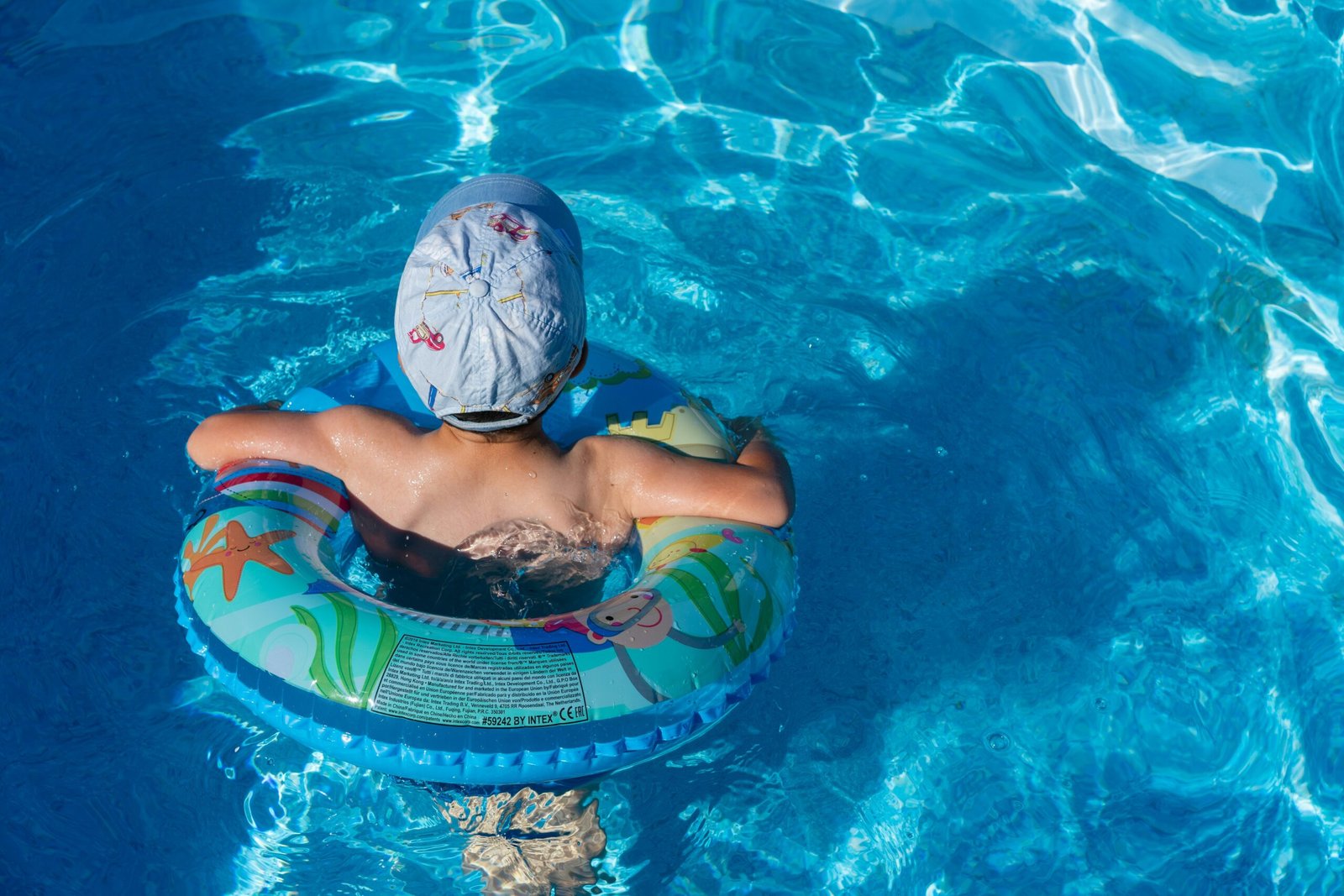
Moreover, ensuring the baby is equipped with a properly fitting flotation device is crucial. While it is essential to remember that a floatation aid is not a substitute for direct supervision, it can provide extra support for babies who are still acclimatizing to the water. Parents should choose devices specifically designed for infants and ensure they are used properly. Additionally, teaching older toddlers about pool rules can instill an understanding of water safety from an early age.
Starting swimming lessons at an appropriate age and with trained professionals can further enhance safety. Experts typically recommend waiting until babies are at least six months old before introducing them to swimming lessons. This age allows for better head and neck control, increasing the likelihood of a safe experience.
Overall, implementing these essential safety measures while introducing babies to swimming can significantly enhance their enjoyment and development. By maintaining vigilance and selecting suitable environments and equipment, parents can create a nurturing atmosphere that encourages growth through the joy of swimming.
Choosing the Right Swim Lessons and Facilities
When selecting swim lessons for babies, it’s essential to consider various factors to ensure a safe and beneficial experience. Initially, research local swim schools and facilities that offer programs specifically designed for infants. These classes typically emphasize water comfort, safety skills, and fostering a positive aquatic environment.
One of the primary criteria is the qualifications of the instructors. Certified instructors are crucial, as they possess the necessary training and expertise to teach babies effectively. They should have certifications from recognized organizations, such as the American Red Cross or Swim Australia, which ensure they adhere to industry safety standards and teaching methodologies. Additionally, look for instructors who have experience working with infants, as they will be more adept at creating a nurturing and engaging atmosphere.
Next, it is essential to evaluate the facility itself. Search for swimming pools that are specifically designed for young children, as they should have shallow areas, warm water, and safety features in place. A clean, well-maintained environment not only enhances learning but also ensures the health and safety of your baby. Furthermore, the pool’s temperature is paramount; a warmer pool is often more comfortable for infants and can encourage participation.
Lastly, consider the class size. Smaller class sizes tend to offer more individualized attention, allowing instructors to better address the unique needs of each child. Engaging parents and caregivers in the lessons can enrich the experience as well, promoting bonding and support. By thoroughly assessing these factors, you can find the ideal swim lessons and facility that will nurture your baby’s growth and development through aquatic activities.
Incorporating Swimming Into Daily Routine
Incorporating swimming into a baby’s regular activities offers numerous advantages for both physical and cognitive development. Engaging in swimming sessions can enhance coordination, muscle strength, and cardiovascular health. To achieve these benefits, caregivers can implement several practical tips to encourage swimming as part of the baby’s daily routine.
A good starting point is to designate specific days and times for swimming. Establishing a consistent schedule helps the baby grow accustomed to the water, reducing anxiety and fostering a sense of security in aquatic environments. Many families find that weekend mornings or weekday afternoons work well, making swimming a fun and enjoyable family activity.
Moreover, caregivers can integrate swimming with other daily routines. For instance, after bath time, families can allow a few minutes for the baby to play in a small inflatable pool or even in the bathtub, providing a familiar feel of water. The key here is to create positive associations with water that the baby will carry into future swimming experiences.
Additionally, enrolling in swim classes specifically designed for babies and toddlers can provide both structure and socialization opportunities with peers. These classes often incorporate songs and playful activities that keep babies engaged while teaching essential water safety skills. Activities such as splashing, floating, and finally gliding through the water contribute to learning through play, which is vital at this developmental stage.
Ultimately, integrating swimming into a baby’s daily routine paves the way for a lifetime love of the water. With patience and encouragement, caregivers can help their little ones become more comfortable and confident swimmers, significantly impacting their physical development and overall well-being.
Essential Swim Gear for Babies
When introducing babies to the water, selecting appropriate swim gear is crucial for both their safety and comfort. The first essential item is a high-quality swim diaper. These specialized diapers are designed to contain solids while allowing for water flow, ensuring a cleaner experience for both the baby and the environment. Unlike regular diapers, swim diapers are not designed to absorb water, which prevents them from becoming overly heavy and uncomfortable during swim activities.
Another vital piece of equipment is a well-fitted life jacket. Infant life jackets are specifically engineered to support a baby’s head above the water, preventing potential drowning hazards. It is important for caregivers to choose a U.S. Coast Guard-approved life jacket, as these are tested for safety and effectiveness. Ensuring a snug but comfortable fit is essential so that the jacket does not ride up or shift, which could pose risks in the water.
Swimwear is also an important element to consider. Look for suits made from lightweight, quick-drying materials that allow for ease of movement. In addition, rash guards can provide protection from harmful UV rays, as babies’ skin is particularly sensitive. Opting for long sleeves offers additional coverage against sun exposure during outdoor swimming sessions.
Lastly, do not forget to bring accessories such as sun hats, sunscreen specifically formulated for babies, and swim goggles if your infant is comfortable wearing them. These items not only contribute to the baby’s well-being but also enhance their overall swimming experience. Caregivers should prioritize comfort and safety when selecting swim gear to ensure that the baby can enjoy water activities without worry.
Conclusion: Lifelong Benefits of Early Swimming Experiences
Engaging infants in swimming activities is not merely a recreational exercise; it lays the groundwork for a multitude of long-term benefits that can significantly enhance a child’s growth and development. From a physical perspective, early swimming helps in developing motor skills, coordination, and strength. Swimming encourages babies to move fluidly in the water, facilitating muscle growth and enhancing cardiovascular fitness. These physical benefits often translate into improved coordination and agility as they grow older, contributing to their overall athleticism.
Beyond physical development, swimming can also bolster cognitive growth. The structured environment of a swimming lesson promotes focus, memory, and comprehension in babies. Such activities can stimulate brain development by engaging their senses and providing them with new experiences. Infants learn to navigate their surroundings, which fosters problem-solving skills and spatial awareness, elements crucial for cognitive function throughout their lives.
Moreover, the emotional and social benefits of swimming should not be overlooked. Participating in swimming classes with other infants and caregivers facilitates social interaction and helps develop important social skills. These interactions can increase feelings of security and confidence in a child, allowing them to bond with peers and caregivers in a supportive environment. The ability to swim can also encourage a lifetime love for water-related activities, promoting a healthier lifestyle that includes recreational swimming and regular physical activity.
Ultimately, early exposure to swimming lays a robust foundation for lifelong health and fitness. By instilling the habit and love for swimming at such a young age, we can nurture not only well-rounded individuals but also enthusiastic participants in a healthy and active lifestyle well into their adult years. The cumulative effects of these experiences underscore the importance of integrating swimming as an essential component of early childhood development.